 Official website
Safety research
Turmeric Supplements and Liver Safety: What the Research and LiverTox Say
Liver injury from turmeric is very rare, but LiverTox calls turmeric the most common herbal cause of liver injury in the U.S. NCCIH says damage has been reported mostly with high-absorption forms. Turmeric can also raise bleeding risk with blood thinners. Neuralisse holds at most 115 mg of a 95% curcuminoid extract.
Written by the Neuralisse editorial teamUpdated · 9 min read
The short version
Is turmeric safe for your liver?
For most people, yes. Liver injury from turmeric supplements is very rare. But it does happen, and it happens often enough that LiverTox now calls turmeric the most common herbal cause of liver injury in the U.S. (LiverTox, Turmeric).
Both statements are true at once. Millions of people take turmeric. A small number develop liver problems. Because so many people use it, those rare cases add up.
Turmeric as a cooking spice is not the concern. The reports involve concentrated supplements, often taken daily for weeks or months.
LiverTox
What does LiverTox say about turmeric?
LiverTox is a government database on liver injury from medicines, herbs and supplements, run by the NIDDK (LiverTox). Its turmeric entry makes two key points (LiverTox, Turmeric).
- Turmeric is the most common cause of herbal liver injury in the U.S., though cases remain very rare.
- Daily doses in products vary widely, from about 100 mg to more than 1,000 mg.
That wide range matters. A product's label may say "turmeric" without telling you how much curcumin you actually get. Two bottles can differ tenfold or more.
Other sources
What do NCCIH and Memorial Sloan Kettering say about turmeric?
NCCIH says not enough is known to show turmeric helps any health purpose. It adds that turmeric is likely safe for 2 to 3 months at usual amounts, that liver damage has been reported, mostly with forms made to absorb better, and that it may be unsafe in pregnancy (NCCIH, Turmeric).
Memorial Sloan Kettering Cancer Center (MSKCC) focuses on interactions. It warns that turmeric can raise bleeding risk, affects enzymes that process many drugs, and may raise the risk of kidney stones (MSKCC, Turmeric).
| Source | Main finding | Safety note |
|---|---|---|
| LiverTox (NIDDK) | Most common herbal cause of U.S. liver injury, still very rare | Doses range from 100 to over 1,000 mg a day |
| NCCIH | Not enough evidence for any health use | Likely safe 2-3 months; liver cases mostly with high-absorption forms; avoid in pregnancy |
| MSKCC | Interacts with blood thinners and drug enzymes | May raise bleeding and kidney-stone risk |
Forms
Which turmeric supplements carry more liver risk?
The concern centers on high-absorption, or "bioavailable," forms. NCCIH notes that liver damage reports have mostly involved products made so the body takes in more curcumin (NCCIH, Turmeric).
Curcumin on its own is poorly absorbed. So makers often add a booster. A common one is black pepper extract, sold as piperine. Others use special coatings or blends with fats. These products can deliver far more curcumin to the body than plain turmeric.
Look for words like piperine, black pepper extract, "enhanced absorption" or a branded curcumin. They are not banned, but they are the forms tied to most liver reports.
Warning signs
What are the warning signs of liver trouble?
Yellow skin or eyes (jaundice) and dark urine are two of the clearest signs that the liver may be struggling. These are general signs of liver injury from any cause, not signs specific to turmeric.
Yellow skin or eyes, dark urine, pale stools, itching all over, pain in the upper right belly, unusual tiredness, or nausea and loss of appetite that will not go away. Stop the supplement and bring the bottle to your appointment.
Your doctor can order simple blood tests of liver function. Most supplement-related liver injury improves after the product is stopped, which is why acting early matters.
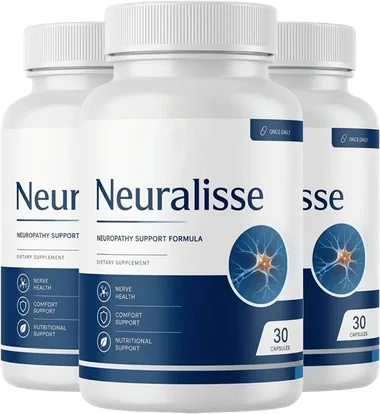
Try Neuralisse for 60 days1 capsule a day · from $49 a bottle · free U.S. shipping on 3 or 6 bottles
Order nowMedicines
Can you take turmeric with blood thinners?
Not without your doctor's approval. MSKCC says turmeric can raise bleeding risk and is not advised with warfarin or other blood thinners (MSKCC, Turmeric). It can also change how the body processes other drugs.
Tell your doctor or pharmacist if you take warfarin, aspirin therapy or another blood thinner. Tell your surgeon about any turmeric supplement before an operation, as the NIH advises for all supplements (ODS, What you need to know).
Neuralisse also contains coenzyme Q10, which may interact with warfarin too (NCCIH, CoQ10). Our guide to nerve supplements and medicines covers the other drug questions.
Neuralisse
How much turmeric is in Neuralisse?
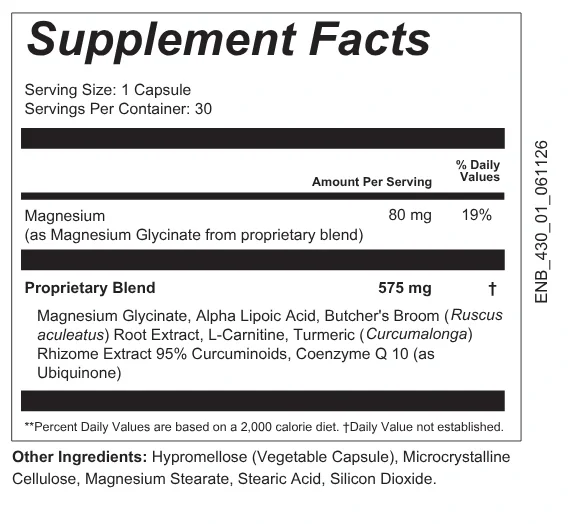
The label lists "Turmeric (Curcuma longa) Rhizome Extract 95% Curcuminoids" as the fifth of six blend ingredients. No amount is printed. By FDA weight-order rules (FDA, Labeling guide), the fifth ingredient can weigh at most 575 divided by 5, or 115 mg.
At 95% curcuminoids, that ceiling equals at most about 109 mg of curcuminoids. It sits near the low end of the 100 to 1,000-plus mg range LiverTox describes. The label lists no piperine or other absorption booster among its ingredients.
In its favor
- A small amount, at most 115 mg of extract.
- No absorption booster listed.
- One capsule a day, so doses stay steady.
Things to weigh
- The exact amount is not printed.
- It is still a concentrated 95% extract.
- Turmeric plus CoQ10 matters if you take blood thinners.
See our turmeric ingredient page and the Neuralisse side effects page for more.
Self-check
Should you check with a doctor before taking turmeric?
Yes, if any of these apply: you have liver disease, take blood thinners, are pregnant, or take several prescriptions. Run through the quick checklist below, then bring your answers to your doctor.
Bottom line
So, is turmeric safe to take?
For most adults, short-term use at usual amounts appears safe, and liver injury is very rare. The risk rises with high-absorption products and with blood thinners. Neuralisse holds at most 115 mg with no booster listed. Watch for jaundice or dark urine, and stop if they appear.
FAQ
Turmeric and liver safety questions
Can turmeric supplements cause liver damage?
Rarely, yes. LiverTox calls turmeric the most common herbal cause of liver injury in the U.S., though cases are very rare. NCCIH says most reports involved high-absorption forms. Stop the supplement and call your doctor if you notice yellow skin or dark urine.
How much turmeric is safe per day?
There is no official safe limit. NCCIH says turmeric is likely safe for 2 to 3 months at usual amounts. LiverTox notes that product doses range from about 100 mg to more than 1,000 mg a day. Ask your doctor what fits you.
Is turmeric with black pepper bad for your liver?
It may carry more risk. Black pepper extract, or piperine, helps the body absorb more curcumin. NCCIH says liver damage reports have mostly involved these high-absorption forms. That does not make them unsafe for everyone, but it is worth caution.
What are the signs of liver damage from supplements?
Common signs include yellow skin or eyes, dark urine, pale stools, itching, upper right belly pain and unusual tiredness. These are general signs of liver trouble from any cause. Stop the supplement and see a doctor promptly if you notice them.
Can I take turmeric if I am on warfarin?
Only with your doctor's approval. MSKCC says turmeric can raise bleeding risk and is not advised with warfarin or other blood thinners. It can also affect enzymes that process many drugs. Your doctor may want to check your blood more often.
How much turmeric is in Neuralisse?
No amount is printed. The turmeric extract is fifth in a 575 mg blend, so it can weigh at most 115 mg, which is about 109 mg of curcuminoids at 95%. The label lists no piperine or other absorption booster.
Is turmeric safe during pregnancy?
Turmeric supplements may not be safe in pregnancy, according to NCCIH. Food amounts in cooking are a different matter. The Neuralisse label also says it is not for pregnant or nursing mothers.
Who wrote this
Written and reviewed by
Plain-language pages built from the bottle label, the order page and linked public health sources such as NIH, FDA and CDC.
Last updated . Read our editorial standards and how we check reviews. This website is run by an American stocking outlet for Neuralisse, not by the manufacturer. We earn money when you buy through our order links.
Keep reading
More about Neuralisse
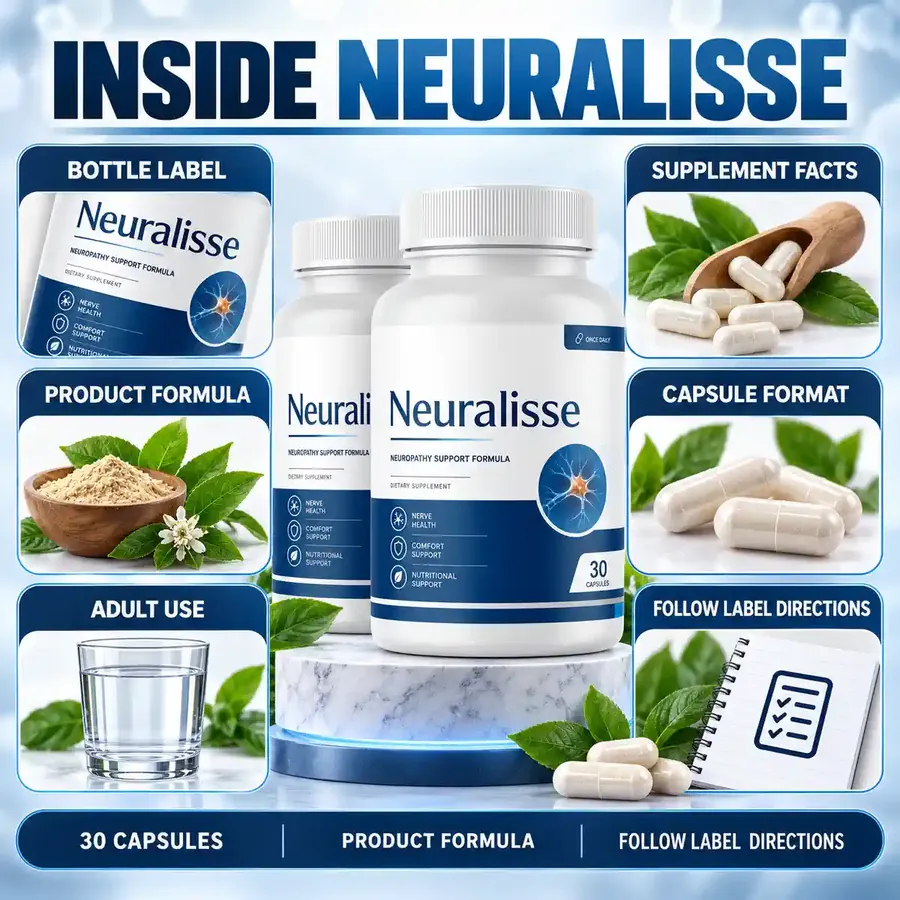
Turmeric extract
Turmeric extract is fifth on the label: at most 115 mg, thin evidence, and real liver and blood-thinner cautions.
Read more
Side effects
Side effects of all six Neuralisse ingredients, the medicines they clash with, and when to stop.
Read moreNerve supplements and diabetes medicines
Alpha-lipoic acid, CoQ10, butcher's broom, turmeric and magnesium next to diabetes medicines, with questions to ask.
Read moreAuthorized American Neuralisse outlet
Ready to try Neuralisse?
Pick a pack. One capsule a day, and every pack lasts at least 60 days, the whole money-back window.
- Secure checkout
- 60-day money-back window
- Ships from the U.S. with tracking